Enhancing Effectiveness: 3D Laser Scanning in Connecticut
Benefits of 3D laser scanning in Connecticut .Introduction
In the heart of New England, Connecticut has constantly been a hub of innovation and technological innovation. As a designer operating in the state, I have actually observed firsthand the transformative power of emerging technologies. Amongst these, 3D laser scanning has become a game-changer in numerous markets, from building and construction and manufacturing to historical conservation and past. Enable me to take you through my journey of discovering and utilizing 3D laser scanning in Connecticut, highlighting just how it has actually improved efficiency across different industries.

My First Encounter with 3D Laser Scanning
My initial encounter with 3D laser scanning was both thrilling and enlightening. It was during a project at a historical site in Hartford where the demand for precise dimensions was important. The conventional techniques were showing to be lengthy and prone to human mistake. That’s when I was introduced to a 3D laser scanning expert from a local firm.
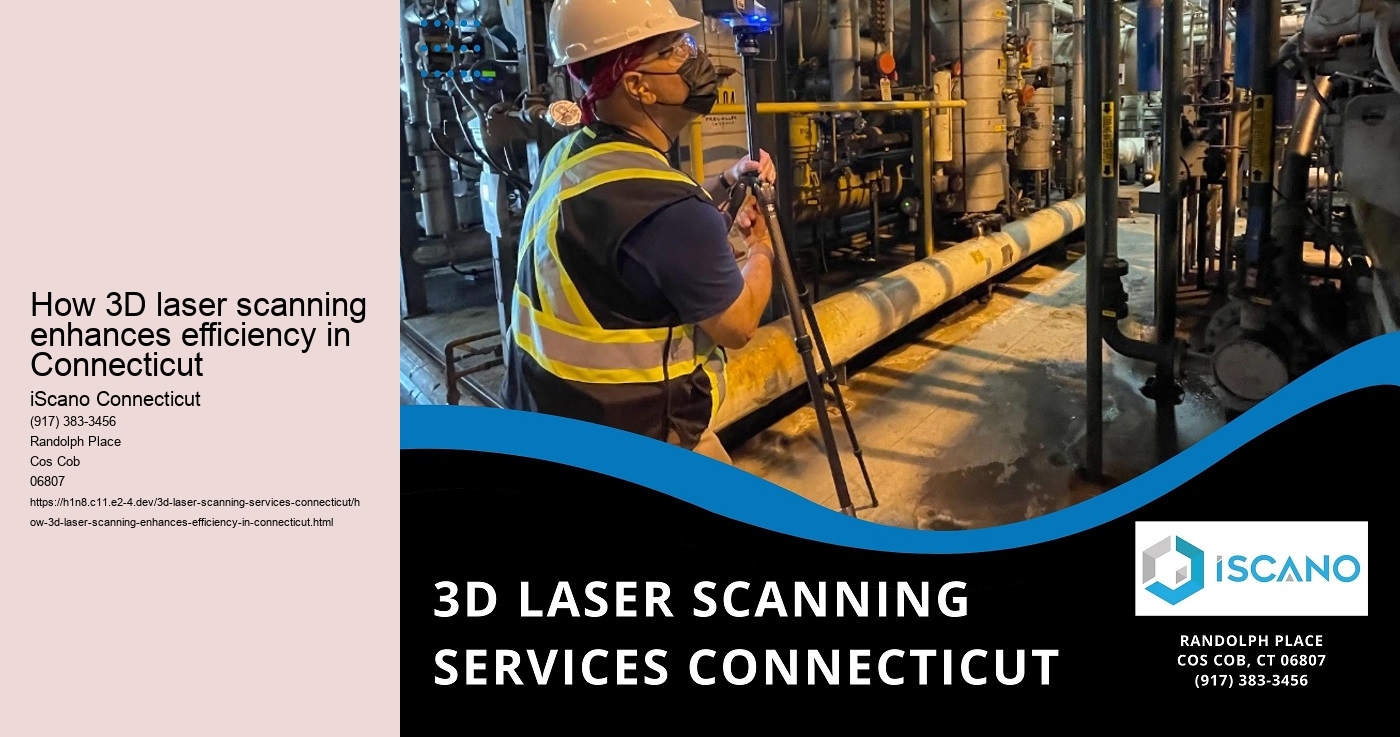
Viewing the scanner at work resembled seeing a scene from a sci-fi movie. The gadget, mounted on a tripod, discharged laser beam of lights that swept across the space, capturing every minute detail. Within mins, we had an extensive 3D model of the entire area. This electronic replica permitted us to examine and prepare the restoration procedure with unmatched accuracy. The efficiency and precision were past anything I had actually experienced in the past.
Embracing the Technology in Building
Inspired by this initial experience, I started discovering the broader applications of 3D laser scanning in my area. In Connecticut, where building projects vary from modern high-rises in Stamford to enchanting colonial reconstructions in Mystic, the potential for this modern technology was enormous.
One of the first significant projects where we implemented 3D laser scanning was a business advancement in New Haven. The website had a number of difficulties, including restricted access and limited target dates. Standard checking approaches would certainly have required numerous website check outs and considerable manual measurements, which can have postponed the task substantially.
With 3D laser scanning, we were able to conduct a full site study in a single day. The scanner captured every element of the terrain, consisting of topography, existing structures, and below ground energies. The resulting 3D design offered our group with a detailed and precise foundation for planning and style. We can practically check out the website, determine possible problems, and make educated choices without the demand for continuous physical assessments.
This efficiency not just saved us time however likewise minimized expenses. By identifying and resolving potential problems early in the layout stage, we avoided costly rework and hold-ups throughout building. The precise measurements likewise made sure that products were bought precisely, minimizing waste and promoting sustainability.
Transforming Production Processes
As I dug deeper right into the capacities of 3D laser scanning, I recognized its potential to change producing procedures. Connecticut has an abundant background of manufacturing, from aerospace parts to clinical tools. Precision is vital in these sectors, and even the least inconsistency can cause significant issues.
I had the chance to collaborate with a leading aerospace maker in the state. They were encountering difficulties with quality control and uniformity in their production line. The conventional assessment techniques were labor-intensive and lengthy, frequently causing manufacturing traffic jams.
Introducing 3D laser scanning to their quality control procedure was a game-changer. The scanner caught comprehensive 3D models of each element, permitting accurate contrast with the original style specs. Any discrepancies were promptly recognized, making it possible for quick restorative actions. This real-time responses loophole considerably improved the consistency and quality of the made parts.
Additionally, the digital models functioned as a beneficial recommendation for future production runs, ensuring that each set satisfied the rigid market criteria. The performance gains were considerable, with lowered assessment times and raised throughput. The producer reported considerable price savings and improved consumer complete satisfaction because of the enhanced high quality and integrity of their items.
Protecting Connecticut’s Historic Heritage
Among the most rewarding aspects of working with 3D laser scanning has actually been its application in protecting Connecticut’s abundant historical heritage. The state is home to numerous historic spots, each with its unique building and cultural relevance. Preserving these structures needs meticulous documentation and repair efforts.
I had the benefit of servicing a remediation job at a historical manor in Litchfield. The estate, built in the 18th century, had elaborate architectural details that were deteriorating with time. Documenting these information properly was crucial for the repair procedure.
Making use of 3D laser scanning, we developed an accurate digital replica of the estate. Every cornice, molding, and decorative component was captured in magnificent information. This electronic design acted as a recommendation for the remediation group, ensuring that the original workmanship was protected. The capacity to envision the whole structure in 3D also permitted us to prepare the restoration process much more effectively, reducing disruptions to the website.
Moreover, the digital archive created via 3D laser scanning has long-lasting advantages. It works as an irreversible record of the mansion’s initial state, which can be important for future repair initiatives or for educational functions. The modern technology has actually proven to be an essential device in safeguarding Connecticut’s historic treasures for generations to find.
Getting Over Obstacles and Embracing the Future
While the benefits of 3D laser scanning are indisputable, the trip has not been without its obstacles. Among the primary obstacles has actually been the first investment in the technology. Top notch 3D laser scanners and connected software program can be pricey, posturing a barrier for smaller companies and organizations.
However, as the technology comes to be more extensive, prices are gradually decreasing. Furthermore, the performance gains and price savings recognized via the use of 3D laser scanning frequently warrant the first investment. Several companies in Connecticut, consisting of ours, have actually located that the roi is considerable, making it a beneficial expenditure.
Another obstacle has actually been the understanding curve related to running the scanners and translating the data. This has actually required a commitment to training and expert advancement. In our company, we have bought training programs to ensure that our group excels in using the technology and can take advantage of its full possibility.

Seeking to the future, I am delighted regarding the continued developments in 3D laser scanning technology. Advancements such as handheld scanners and drones outfitted with laser scanning abilities are making the technology a lot more obtainable and versatile. These developments will certainly better improve performance and open brand-new opportunities across different sectors.
Conclusion
Reviewing my trip with 3D laser scanning in Connecticut, I am struck by exactly how transformative this technology has actually been. From building and construction and making to historical conservation, its impact has actually been extensive. The ability to catch and analyze accurate 3D data has changed the means we approach tasks, leading to considerable effectiveness gains and cost financial savings.
As Connecticut remains to welcome development and technological advancement, I am positive that 3D laser scanning will certainly play an increasingly vital duty. It is a powerful device that not just enhances performance yet additionally assists us protect our abundant background and construct a lasting future. For anybody involved in sectors where precision and effectiveness are critical, I highly advise exploring the possibility of 3D laser scanning. It has certainly been a game-changer for me and my team, and I think it can be for others also.
Below are the companies that are authority in the 3D Laser Scanning Technology
| Company Name | Business Description | Website Link |
|---|---|---|
| FARO Technologies | Provides 3D measurement, imaging, and realization solutions, including 3D laser scanning. | FARO |
| Trimble Inc. | Specializes in geospatial, construction, agriculture, and transportation solutions, including 3D laser scanning. | Trimble |
| Leica Geosystems | Offers a wide range of products and services for surveying and 3D laser scanning. | Leica Geosystems |
| Hexagon AB | Provides enterprise software and 3D laser scanning solutions for various industries. | Hexagon |
| Topcon Positioning Systems | Develops precise positioning products and solutions, including 3D laser scanners. | Topcon |
| RIEGL Laser Measurement Systems | Specializes in the research, development, and production of 3D laser scanners and systems. | RIEGL |
| Zoller + Fröhlich (Z+F) | Produces high-quality 3D laser scanners and offers software solutions for data processing. | Z+F |
| Surphaser | Manufactures 3D laser scanning systems known for their accuracy and reliability. | Surphaser |
| Creaform | Provides innovative 3D measurement technologies, including 3D scanners and software. | Creaform |
| Artec 3D | Develops and manufactures professional 3D scanners and software for various applications. | Artec 3D |